Fantasy Squawk / Field notes / 2026 Week 1
Beyond the
box score.
Six stats worth a second look.
The opportunities, the oddities, and the game context that changes the story.
Ten targets. Six deep shots. All within one score. Start there.
Twelve targets. Two touchdowns. Twenty-nine carries. Great numbers to find in a box score. But the clock, the score and the kind of opportunity can change what they mean for next week.
We went through the Week 1 play-by-play to find six numbers worth a second look. Some become more interesting with context. Others need a little cooling off. These are one-game signals to watch, not established trends.
01 / Metcalf’s forty yards hid six deep shots
DK Metcalf · Pittsburgh Steelers · WR
Ten targets, four catches, 40 yards. That is a frustrating afternoon for a fantasy starter. Underneath it: 204 air yards and six targets at least 20 yards downfield. None of those six became completions.

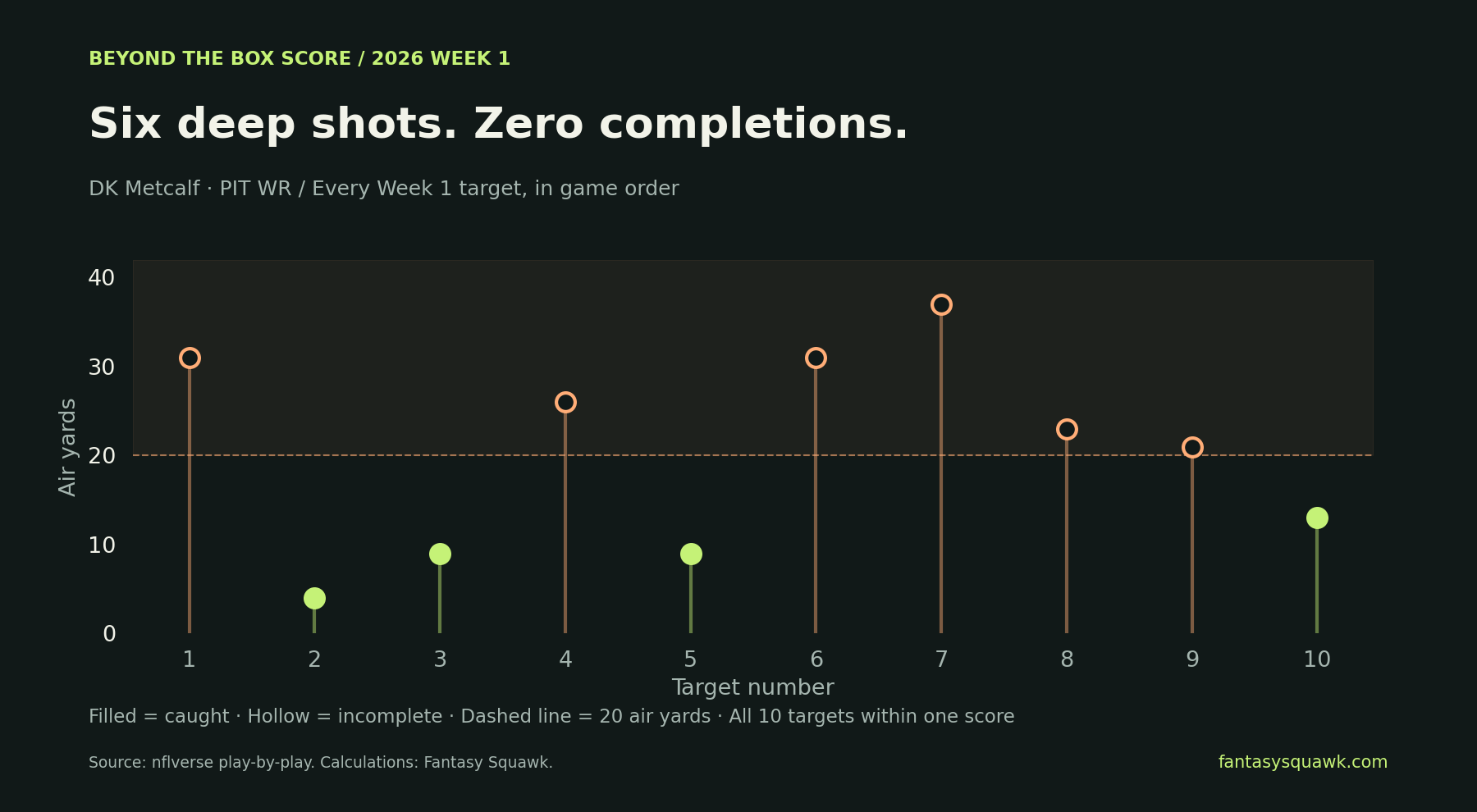
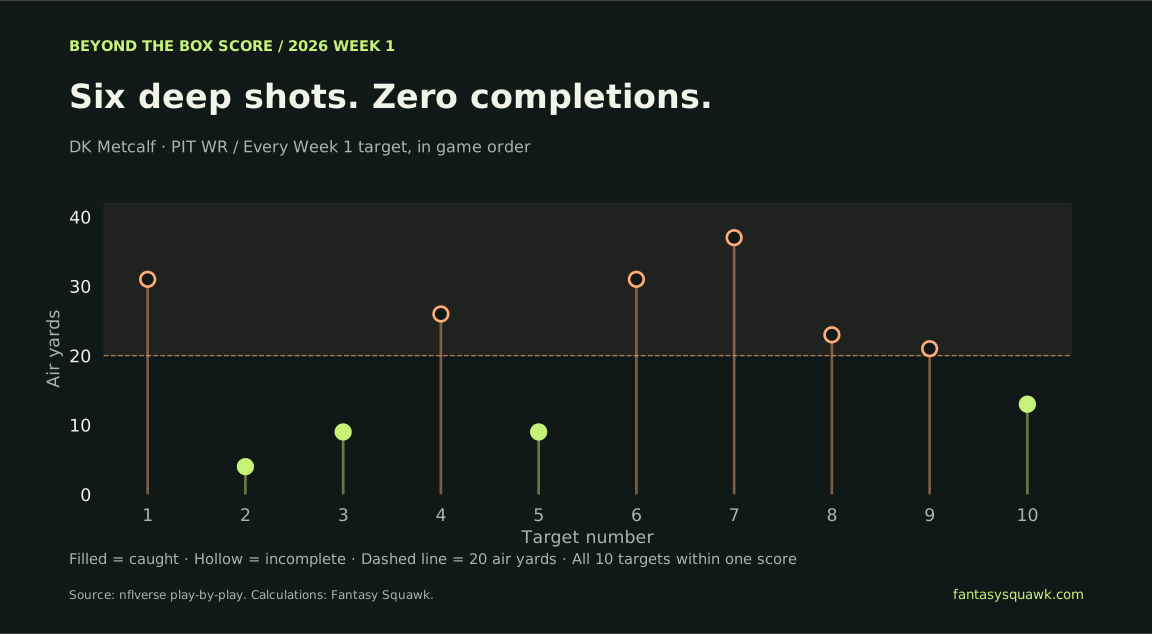
Every one of Metcalf’s targets came with Pittsburgh tied, leading or trailing by eight points or fewer. The downfield chances were part of a competitive game throughout.
Air yards measure how far the ball traveled toward the intended receiver, including incompletions. They are an opportunity measure; those yards do not automatically turn into future production. Metcalf’s average target traveled 20.4 yards, which also helps explain how ten targets could yield only four catches.
What we’re watching: Does Pittsburgh keep giving him this many downfield chances? Sustained volume would make a disappointed manager’s asking price interesting. The missed connections are also a reminder of the weekly volatility.
02 / Four of Golden’s twelve targets came in the final four minutes
Matthew Golden · Green Bay Packers · WR
Twelve targets catches your attention. Here is the part to attach to the headline: four came with Green Bay down 17, inside the final four minutes. Those four produced two catches for 28 yards. His earlier eight targets produced four catches for 67 yards.

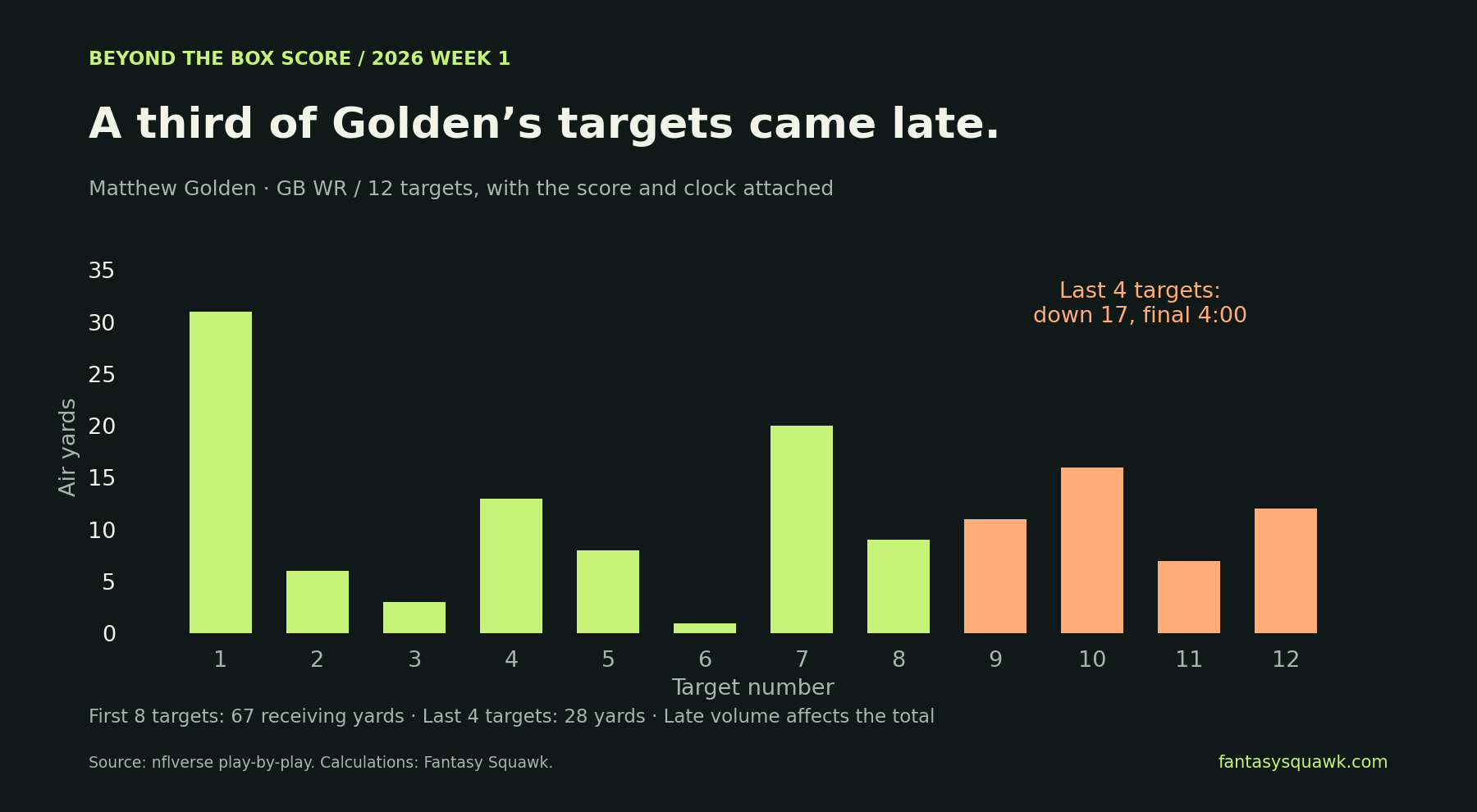
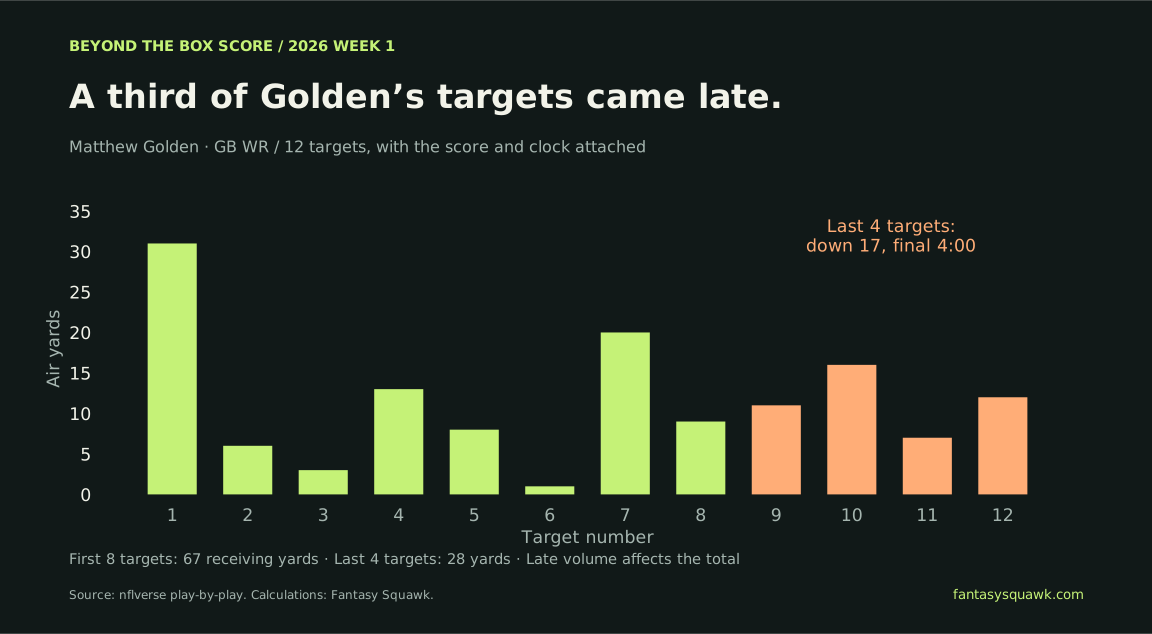
The late opportunities still count in fantasy. But a team urgently throwing while three scores behind can create a workload that is hard to repeat in a different game.
What we’re watching: Golden’s involvement before the final comeback attempt. Eight earlier targets is already worth following; treating twelve as his normal workload would get ahead of the evidence.
Put the score back into the target count
Toggle the chart to count only targets with the score within eight points. These are selected players, not a league leaderboard. The filter includes tied games and overtime; it does not classify everything outside that margin as garbage time.
Same players. Add the score.
All assigned targets in Week 1, regardless of score. Fixed scale: 0–12 targets. Selected players only.
03 / Raymond was getting the ball while the game was close
Kalif Raymond · Chicago Bears · WR
Chicago’s 59–37 win makes the entire afternoon look unusual. Raymond’s nine targets deserve a closer look: seven came with the score within eight points. Those seven produced 71 of his 84 receiving yards.

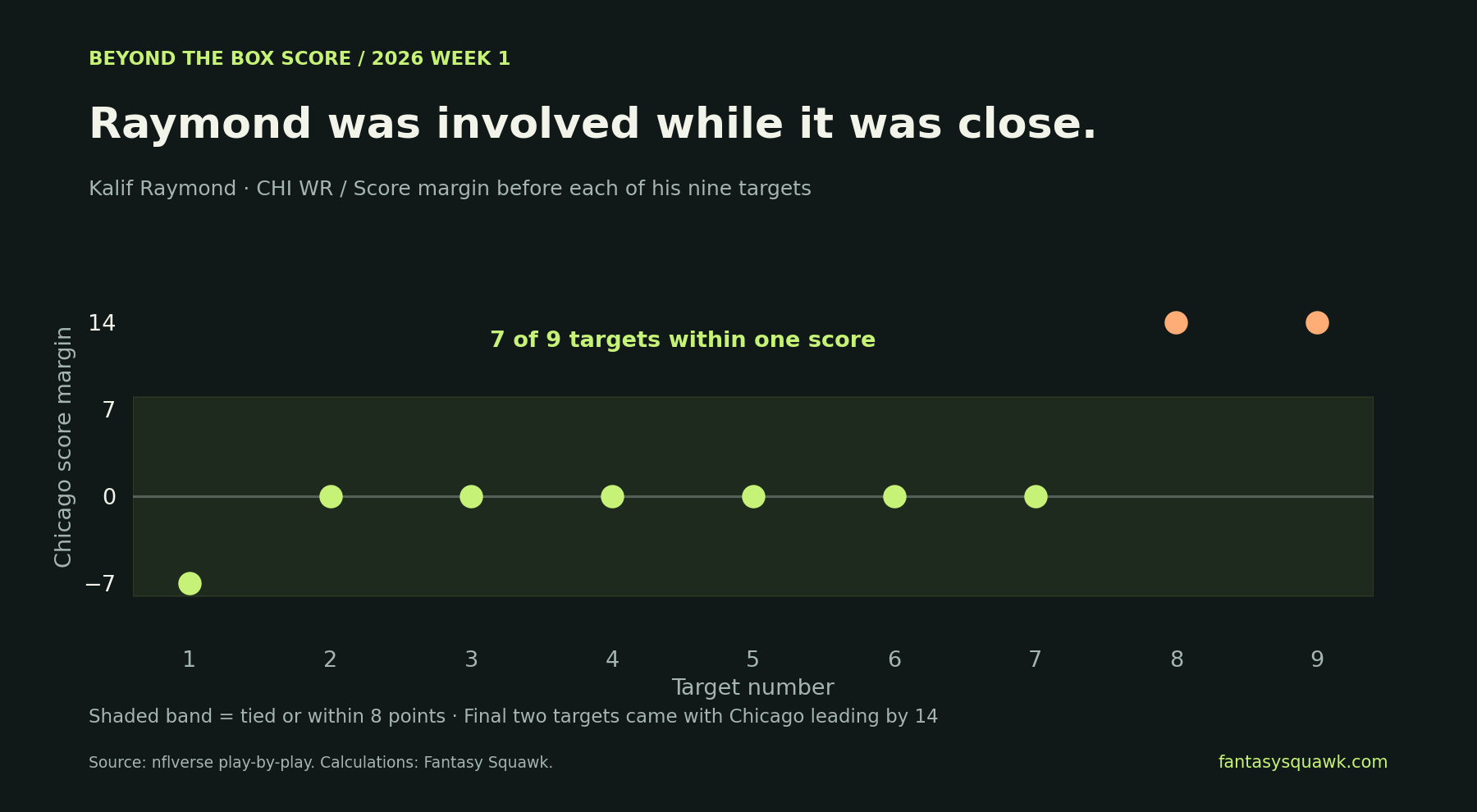
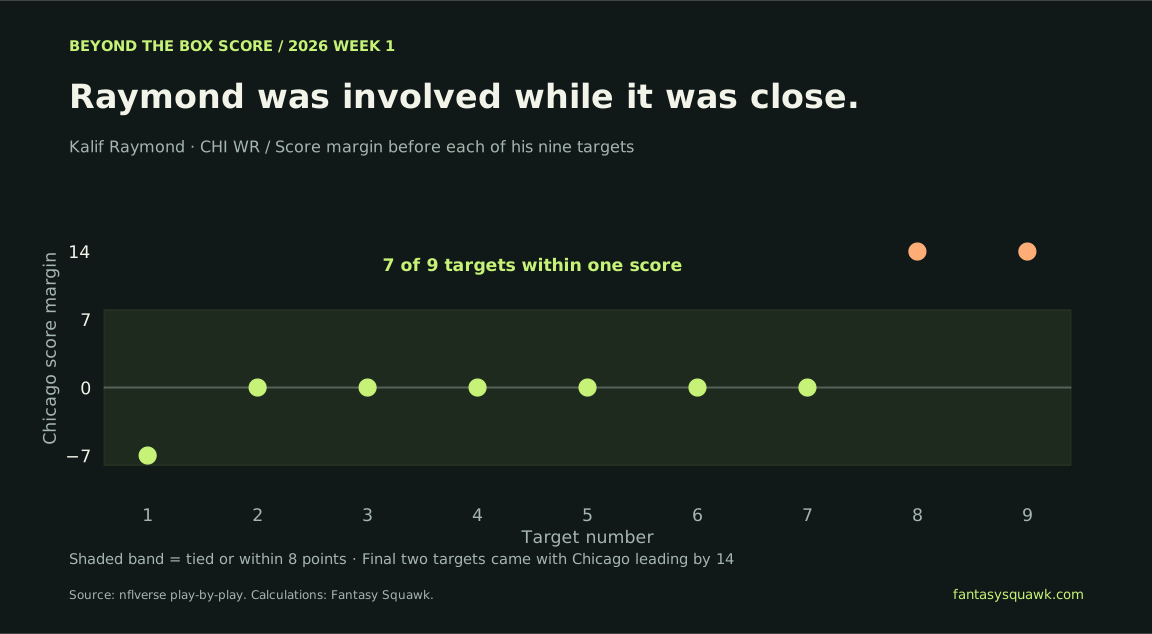
His final two targets came with Chicago leading by 14. The bulk of his receiving production had already arrived before that cushion.
This is why the final score alone is a poor filter. A blowout can contain plenty of meaningful, competitive usage before the game opens up.
What we’re watching: Whether Raymond keeps earning that attention when Chicago’s offense has a more ordinary afternoon. This game earns him a place on the watchlist; it does not establish a permanent place in the target order.
04 / Coker’s late touchdown tells only part of the story
Jalen Coker · Carolina Panthers · WR
Coker finished with 138 receiving yards and two touchdowns. His second score came with Carolina trailing by 21 and 4:05 left. That touchdown gave his fantasy total a late lift. He also had 97 receiving yards by halftime.

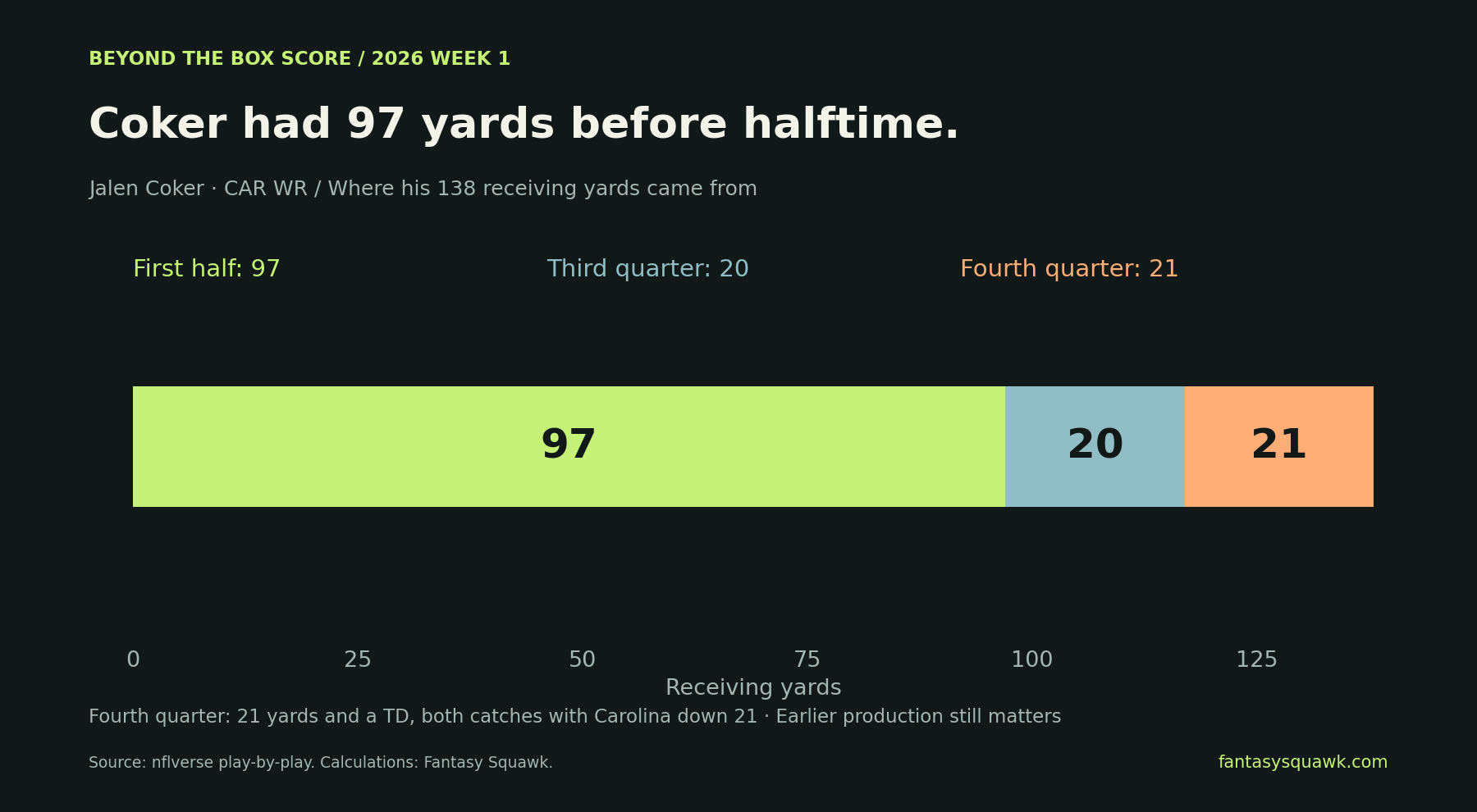
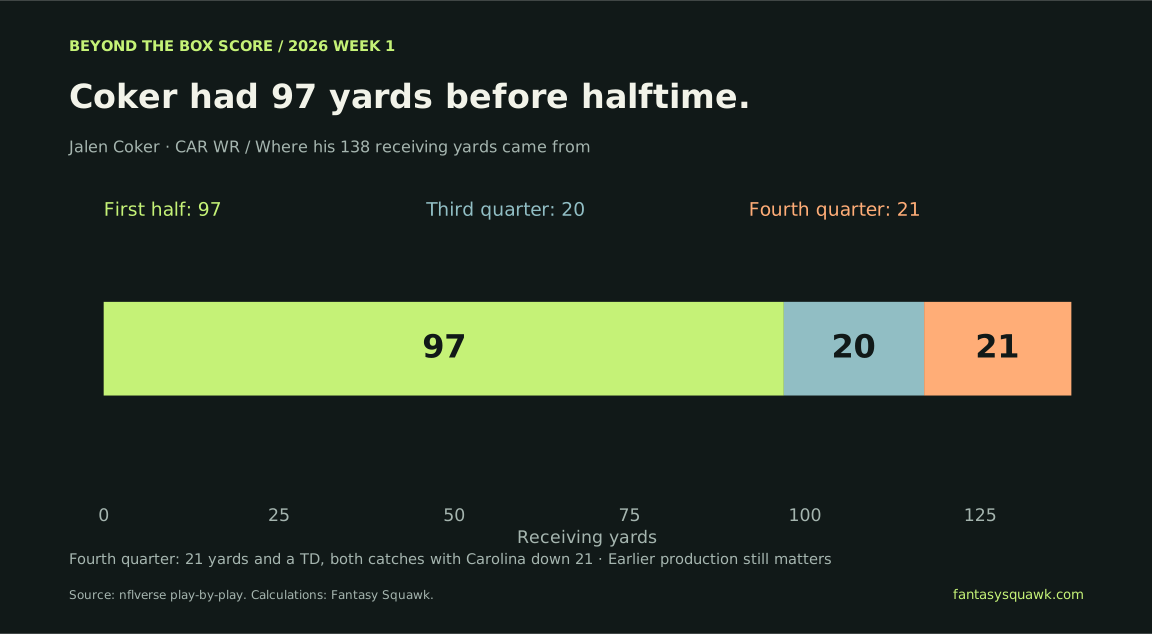
The fourth quarter supplied 21 yards and a touchdown. Before those two late catches, he already had six receptions for 117 yards and a touchdown. His first score was a 51-yard catch in the second quarter, with Carolina down 14 before the play.
A fourteen-point deficit early in the game creates a different situation from a twenty-one-point deficit late. Calling all production while trailing “garbage time” would erase a lot of football that matters.
What we’re watching: Whether the targets keep coming. The early production supports taking him seriously, while the long touchdown and late score make this a poor game to use as his weekly scoring baseline.
05 / Gibbs’s workload included an extra period
Jahmyr Gibbs · Detroit Lions · RB
Twenty-nine carries is a huge workload. Five came in overtime, leaving 24 during regulation. Overtime also supplied one of his five receptions.

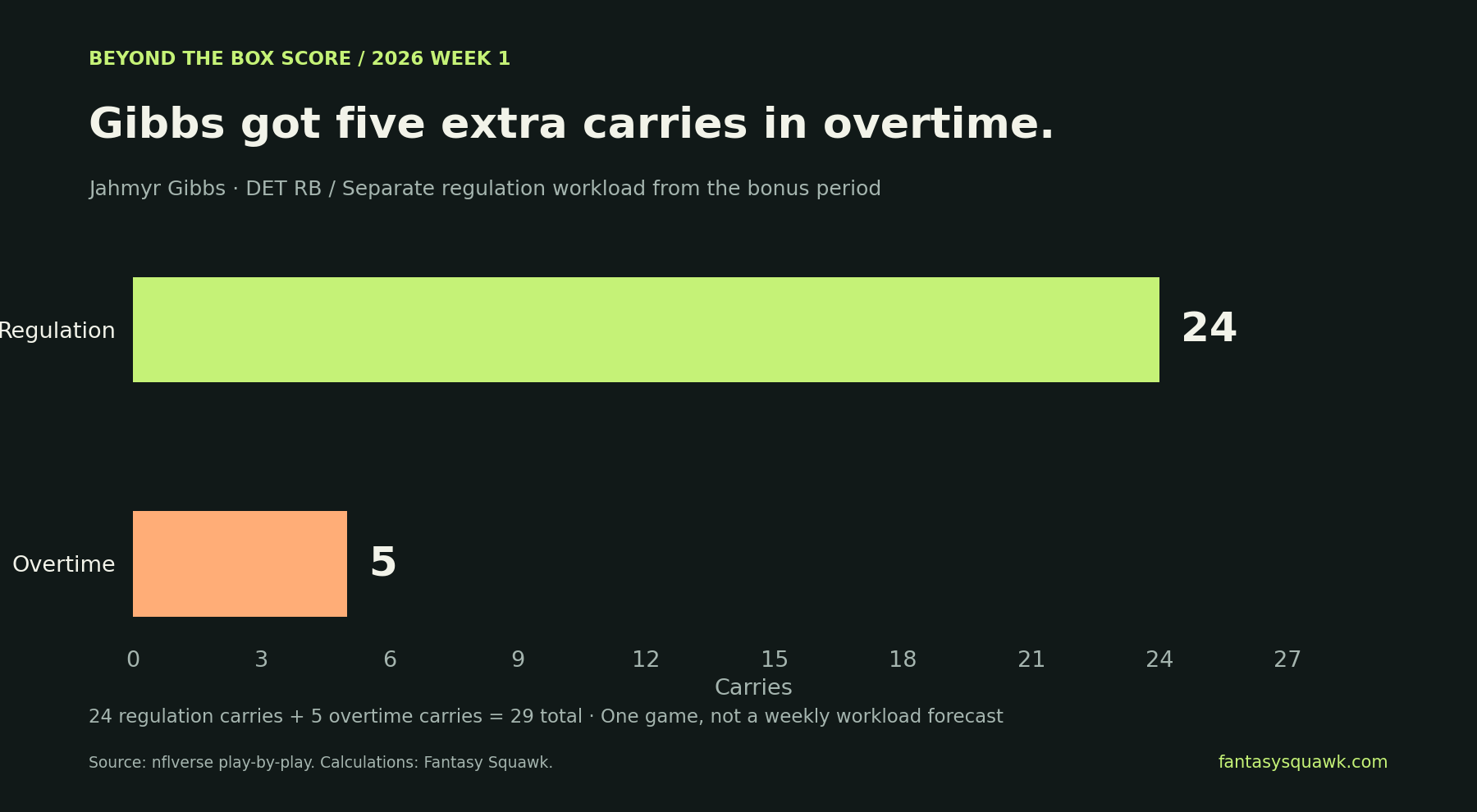
That still leaves 28 regulation touches: 24 carries and four catches. There is plenty to like before counting the bonus period. It simply helps to know that six of his 34 total touches came after the fourth quarter.
What we’re watching: How much of the regulation workload repeats. A strong role and an unusually long game can both be true.
06 / Bijan got more targets than the rest of Atlanta combined
Bijan Robinson · Atlanta Falcons · RB
Atlanta assigned 19 passes to an intended receiver. Ten went to Bijan. Nine went to everybody else combined. All ten of his targets came with the score within eight points.

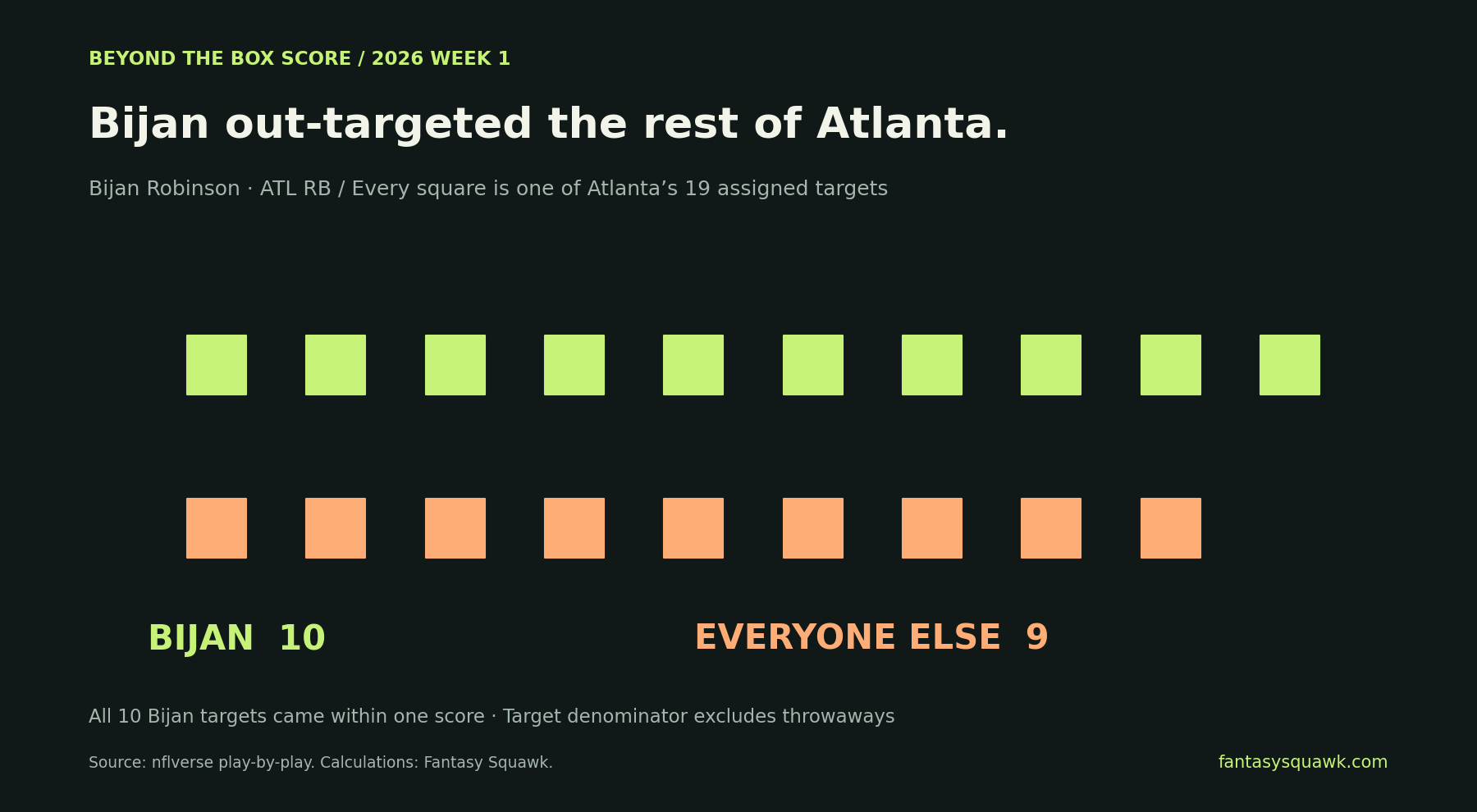
There is another fun wrinkle: 110 yards after the catch turned into 90 receiving yards. Across his eight catches, the reception points totaled 20 yards behind the line of scrimmage. He had to make those yards back before adding positive receiving yardage.
Add his 21 carries and Atlanta involved him in 31 rushing attempts or targeted passes. That is 29 actual touches: 21 carries plus eight catches.
What we’re watching: How much of this passing-game involvement persists. A 52.6% target share is an extreme single-game result, even for a player whose receiving role is a major part of his appeal.
Which number survives Week 2?
Metcalf’s deep opportunities. Golden’s targets before the late deficit. Raymond’s involvement while the game is tight. Coker’s earlier production. Gibbs’s regulation workload. Bijan’s share of the passing game.
Those are six things to check next week. A second game gives us something to compare. For now, the useful question is what the opportunity looked like—and what would have to happen for it to repeat.
Sources & how we counted
Analysis checked September 16, 2026, using nflverse’s 2026 play-by-play and weekly player statistics. Player targets, carries, receiving yards, rushing yards and target air yards were reconciled between the two datasets. The fantasy implications are our interpretation.
- Scope: 2026 regular-season Week 1. These six players were selected for interesting usage; this is not a ranking of every player.
- Within one score: tied or an absolute margin of eight points or fewer, measured before the play. Includes overtime. It is a descriptive split, not a universal garbage-time definition.
- Golden’s late targets: fourth quarter, four minutes or less remaining, trailing by exactly 17. Earlier targets are all targets outside that specific situation.
- Targets: pass attempts with an assigned receiver. Throwaways are excluded from the team target denominator. Nullified/deleted plays and two-point attempts are excluded; carries also exclude quarterback kneels.
- Air yards: distance beyond the line of scrimmage to the intended receiver, including incompletions and negative values. A deep target travels at least 20 air yards.
- Yards after catch: measured from the reception point. A catch behind the line can produce more yards after catch than net receiving yards.
- Overtime: quarters after the fourth. Carries and receptions are shown separately from regulation where discussed.
Download the calculation data and selected plays (JSON). Each chart also has a downloadable PNG and SVG. Public source data can receive later corrections.